The Algorithm Game: How Engagement Signals Shape What We See Online
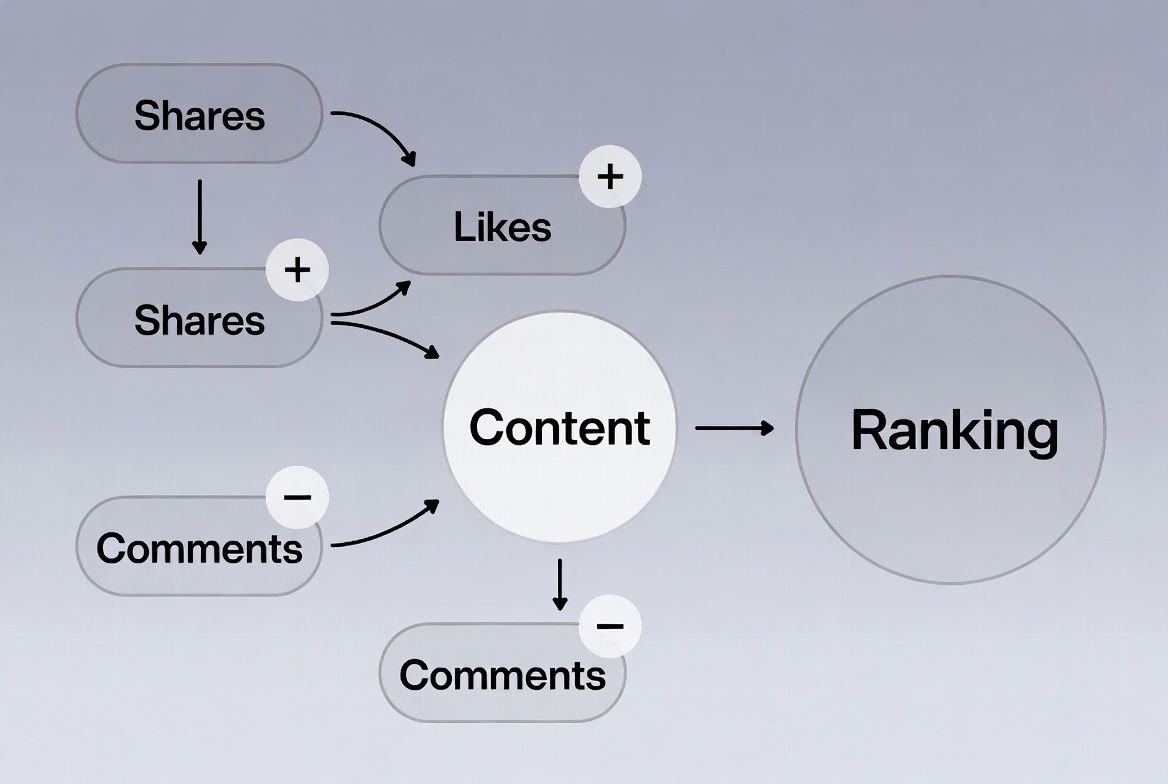
More than 70% of the content people see on social media is selected by algorithms rather than chronological order, as reported by DataReportal. This shift has quietly reshaped how information spreads, what trends gain traction, and whose voices are amplified. At the center of this system are engagement signals, measurable actions such as likes, shares, comments, and watch time that tell platforms what users find valuable.
Because these signals carry so much weight, a growing ecosystem has emerged to influence them. Services that allow users to Buy Reddit Upvotes are often positioned as shortcuts to visibility, reflecting a broader attempt to work within, or around, algorithmic rules. While these tools promise faster reach, they also highlight how dependent online visibility has become on engagement metrics rather than purely organic discovery.
How Engagement Signals Drive Algorithms
At their core, algorithms are designed to keep users engaged for as long as possible. Platforms like Facebook, Instagram, TikTok, and Reddit analyze behavior patterns, then prioritize content that is likely to generate interaction. Research from Meta AI shows that posts receiving early engagement are more likely to be distributed widely, as the system interprets this as a sign of relevance.
These signals are not all equal. A simple “like” may carry less weight than a comment or share. On video platforms, watch time and completion rates often matter more than clicks. This layered system allows algorithms to refine what they show users, but it also creates a competitive environment where creators must constantly adapt.
Despite the sophistication of these systems, they are still reactive. They respond to user behavior rather than evaluate content quality in a human sense. As a result, emotionally charged, controversial, or highly entertaining content often rises to the top, regardless of its accuracy or depth.
The Rise of Engagement Manipulation
As competition for visibility grows, some individuals and brands look for ways to accelerate their reach. This has led to the rise of tactics such as purchasing upvotes, boosting reactions, or using coordinated engagement groups. These strategies aim to trigger the algorithm’s early detection mechanisms, giving content an artificial push.
Data from Stanford Internet Observatory highlights how coordinated inauthentic behavior can influence online discourse, particularly when engagement appears genuine at first glance. When a post quickly gains traction, even if driven by paid or manipulated signals, algorithms may amplify it further, creating a feedback loop.
However, this approach carries risks. Platforms are continuously improving their detection systems. Sudden spikes in activity, unusual interaction patterns, and low-quality engagement are often flagged. Over time, accounts that rely heavily on artificial boosts may face reduced visibility or penalties.
Why Algorithms Reward Engagement Over Accuracy
The prioritization of engagement is not accidental. It aligns with business models that depend on user attention. The longer people stay on a platform, the more ads they see, and the more valuable that platform becomes to advertisers. Many of these systems are rooted in the broader benefits of modern technology, where convenience, accessibility, and constant connectivity shape how users interact online, as highlighted by Science for the Masses. According to McKinsey & Company, user engagement is directly tied to digital revenue growth across major platforms.
This dynamic creates a tension between popularity and reliability. Content that sparks strong reactions tends to perform better, even if it lacks nuance. Meanwhile, informative or balanced posts may struggle to compete if they do not immediately capture attention.
These challenges underscore the importance of digital literacy. Users play a role in shaping algorithms through their interactions. Every click, share, or comment contributes to what the system learns and promotes.
The Future of Algorithm Design
Looking ahead, platforms are investing in more advanced methods to detect manipulation and improve content quality. Artificial intelligence is being used to analyze context, identify coordinated behavior, and reduce the impact of low-value engagement. For example, Google DeepMind research explores how machine learning models can better understand intent and authenticity.
At the same time, there is growing pressure for transparency. Regulators and advocacy groups are calling for clearer explanations of how algorithms work and how content is prioritized. This could lead to systems that balance engagement with credibility, giving users a more reliable online experience.
Even so, the demand for visibility will continue to drive experimentation. Tactics such as buying upvotes, boosting reactions, or leveraging engagement services are unlikely to disappear. Instead, they will evolve alongside detection tools, creating an ongoing cycle of adaptation.
Conclusion
Engagement signals have become the currency of the digital world, shaping what people see, share, and believe. While tactics like paid upvote services or artificial engagement strategies may offer short-term gains, they operate within a system that is constantly learning and adjusting.
Ultimately, the future of online visibility will depend on a balance between authentic interaction and smarter algorithm design. As platforms refine their systems, and as users become more aware of how content is surfaced, the emphasis may gradually shift toward meaningful engagement rather than manufactured popularity. Until then, understanding how these signals work remains essential for anyone navigating the modern digital landscape.